DXtrade Trading Journal: Boost Your 2026 Performance
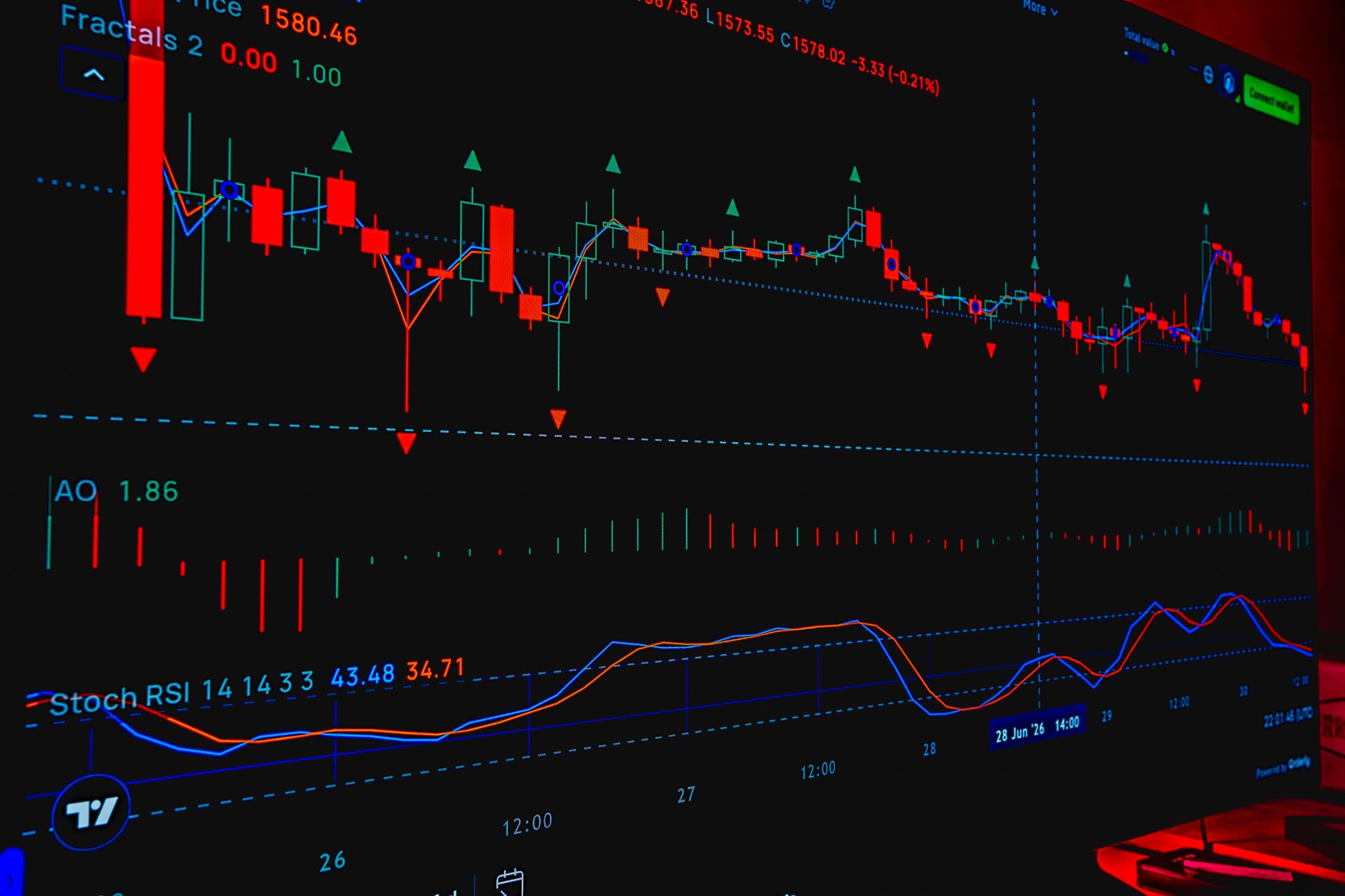
A DXtrade trading journal is a digital or physical record of all your trades executed on the DXtrade platform, designed to help you analyze performance, identify patterns, and refine your trading strategy. It's an essential tool for any serious trader aiming for consistent profitability and self-improvement.
- A DXtrade trading journal logs trade details like entry/exit points, size, and profit/loss.
- It enables analysis of strategy effectiveness and identification of recurring mistakes.
- Provides data for improving risk management and trading psychology.
- Essential for proving trading edge to prop firms and investors in 2026.
What is a DXtrade Trading Journal?
A DXtrade trading journal serves as a comprehensive logbook for every trading decision you make. It's more than just a list of wins and losses; it's a detailed account of your trading activities, including entry and exit points, trade size, reasons for entering and exiting a trade, the assets traded, and the emotional state during the trade. The DXtrade platform itself offers some built-in journaling capabilities, allowing users to add notes and tags to trades. However, many traders find that integrating this data into a more robust analytics platform provides deeper insights. For example, DXtrade XT offers features to add notes and tags, which is a good starting point for basic record-keeping.
Why Use a DXtrade Trading Journal for Performance Tracking?
Consistent performance tracking is fundamental to improving as a trader, and a DXtrade trading journal is your primary tool for this. By meticulously documenting each trade, you create a dataset that allows for objective analysis of your strengths and weaknesses. This is particularly crucial in today's competitive trading landscape, where retail traders often need to prove their edge to prop trading firms or attract investors. A well-maintained journal provides the verified track record necessary for such endeavors. Platforms like MyVeridex can help aggregate and present this data, transforming raw trade logs into clear performance metrics. For instance, understanding your win rate and average win/loss ratio on specific currency pairs or during certain market conditions can only be achieved through detailed journaling.
Key Components of an Effective DXtrade Trading Journal
An effective DXtrade trading journal should capture more than just the basic trade parameters. Here are the essential elements to include:
Trade Entry and Exit Details
This is the foundational data for any trading journal. For each trade, record:
- Date and Time of entry and exit
- Asset Traded (e.g., EURUSD, BTCUSD)
- Entry Price and Exit Price
- Position Size (Lot size, units, or number of contracts)
- Stop Loss and Take Profit levels
- The specific DXtrade account used, if you manage multiple.
Trade Rationale and Strategy
Understanding *why* you entered a trade is as important as the outcome. Document:
- The trading strategy or system used.
- The specific setup or signal that triggered the entry.
- Your predefined risk and reward targets for the trade.
- Any deviations from your trading plan.
Trade Outcome and Analysis
Quantify the results and begin the analysis:
- Profit or Loss (in pips, points, and currency)
- Percentage gain or loss on capital risked.
- A brief summary of what went well and what could have been improved.
- Screenshots of the trade setup and exit can be invaluable visual aids.
Psychological and Emotional State
This often-overlooked aspect can be a significant performance differentiator. Note your emotions:
- Fear, greed, confidence, frustration, or discipline during the trade.
- Any impulsive decisions made against your trading plan.
- How you felt *before* entering and *after* exiting.
Leveraging DXtrade's Built-in Journaling Features
DXtrade platforms, such as DXtrade CFD Web Trader and DXtrade XT, offer integrated tools to enhance your journaling process. These features typically allow traders to add notes directly to trades, categorize them with tags (e.g., 'scalping', 'breakout', 'news trade'), and filter historical trades based on these tags. While these capabilities provide a good starting point for logging key information, they are often more basic than dedicated analytics platforms. For instance, you can tag a trade as 'failed setup' or 'good execution despite loss,' which helps in reviewing performance later.
Advanced DXtrade Trading Journaling with Analytics Platforms
While DXtrade's native tools are useful, dedicated trading analytics platforms can elevate your journaling to a new level. These platforms go beyond simple data logging by providing sophisticated analysis, visualization, and reporting. They can often import trade data directly from your broker or platform, automating the process and reducing manual entry errors. MyVeridex, for example, supports DXtrade data and offers over 30 performance metrics, allowing traders to build verified track records. This is a modern alternative to platforms like Myfxbook, providing detailed insights into risk-adjusted returns, drawdown analysis, and strategy performance across various markets like forex, futures, and cryptos. Integrating DXtrade data with MyVeridex can provide a clear picture of your trading edge.
Automating Data Import
Manual data entry is prone to errors and time-consuming. Most advanced journaling solutions, including MyVeridex, support automated data import. This is typically done via an investor password or API connection, allowing the platform to pull your trade history directly from your DXtrade account in a read-only format. This ensures accuracy and saves valuable time, letting you focus on analysis rather than data compilation. The process is generally straightforward, often requiring just a few clicks within the platform's settings.
30+ Performance Metrics for Deep Analysis
Beyond basic profit and loss, advanced platforms offer a wide array of metrics to dissect your performance. These can include:
- Profit Factor
- Sharpe Ratio and Sortino Ratio (for risk-adjusted returns)
- Maximum Drawdown (absolute and percentage)
- Win Rate and Loss Rate
- Average Win vs. Average Loss
- Trade Duration analysis
- Performance by asset, time of day, or day of week.
Understanding metrics like the Profit Factor, which is the ratio of gross profits to gross losses, gives a clear indication of profitability. A Profit Factor greater than 1 suggests profitability. For traders aiming for prop firm funding, metrics like the maximum drawdown are critically important. Many prop firms, such as FTMO, have strict drawdown rules, for example, their general rules specify a maximum daily loss of 5% and a total maximum loss of 10%.
Common Pitfalls in DXtrade Trading Journaling (And How to Avoid Them)
Even with the best tools, traders can fall into common journaling traps. Being aware of these can help you maintain an effective and insightful DXtrade trading journal.
Inconsistency in Data Entry
The most common pitfall is failing to log every trade or entering incomplete information. If your journal is not comprehensive, your analysis will be flawed. To combat this, set a strict rule: log trades immediately after they close, or automate the process as much as possible. Treat journaling as an integral part of your trading routine, not an afterthought.
Lack of Objective Analysis
It's easy to be biased when reviewing your own trades. You might downplay losses or overemphasize wins. To maintain objectivity, focus solely on the data and your predefined trading plan. Ask yourself: Did the trade adhere to the strategy? Were risk management rules followed? If the answer is no, the outcome, whether a win or loss, is less important than identifying the deviation.
Focusing Only on P&L
While profit and loss are the ultimate measures of success, focusing solely on them can lead to neglecting crucial aspects like risk management, trade execution quality, and adherence to your trading plan. A good journal helps you understand *how* you achieve your P&L, not just *what* it is. For example, a trader might have a high win rate but suffer large losses on their losing trades, resulting in a poor Profit Factor. This highlights a need to review stop-loss discipline or position sizing, which can be calculated using a position size calculator.
Ignoring Psychological Factors
Trading is a mental game. Ignoring your emotional state during trades means missing a significant source of errors. Keep a section in your journal dedicated to your feelings and reactions. Over time, you might notice patterns, like taking excessive risks when feeling overconfident or cutting winning trades short out of fear.
Integrating DXtrade Journal Data with Prop Firm Challenges
For traders aiming to pass challenges from prop firms like FTMO, FundedNext, or Apex Trader Funding, a detailed DXtrade trading journal is indispensable. Prop firms require traders to demonstrate consistent profitability and strict risk management. Your journal serves as the primary evidence of your ability to meet these stringent requirements. For example, if you are trading with DXtrade and aiming for a prop firm, you'll need to show consistent daily and overall drawdown adherence. MyVeridex helps in generating reports that can be used to showcase verified performance, making it easier to prove your edge. Understanding the specific rules of each prop firm is crucial; for instance, FundedNext has its own set of evaluation criteria that a trader must meet.
The Future of DXtrade Trading Journals in 2026
As trading technology evolves, so too will the capabilities of trading journals. We can expect more sophisticated AI-driven analysis, predictive insights based on historical data, and even more seamless integration with trading platforms. The focus will continue to shift from simple record-keeping to providing actionable intelligence that directly enhances trading performance and risk management. Platforms that can offer real-time feedback and personalized recommendations based on a trader's journal data will become increasingly valuable. The ability to verify track records transparently, as MyVeridex aims to do, will also become paramount for accessing capital and opportunities in the prop trading space.
Can I use the DXtrade platform's built-in notes feature as my primary trading journal?
How often should I review my DXtrade trading journal?
What is the most important metric to track in my DXtrade trading journal?
How can a DXtrade trading journal help me pass a prop firm challenge in 2026?
A journal is your own word for what happened. A verified record is pulled straight from the broker, so someone else can check it:
Review your trading history
Use MyVeridex trading analytics to review and share an imported trading history. Check connection support and metric definitions for your account.
Start Free 7-Day Trial